Do Mini Splits Really Run 30% to 50% More Efficiently Than Traditional Units?
Mini splits can use noticeably less electricity than older or poorly matched heating and cooling equipment—but “30% to 50% more efficient” is not a guarantee. The real difference depends on what you are comparing, how the equipment is sized, and how the space is built. A modern central heat pump may be quite efficient, while an old window air conditioner or electric resistance heater can be expensive to run.
Garages make the comparison trickier. They often have more air leakage, less insulation, and larger temperature swings than interior rooms. A unit that looks adequate on an indoor-room BTU chart may struggle in a garage, especially during a cold winter. This guide explains the heat pump efficiency claim, garage-specific sizing, electrical choices, and how to make a useful energy savings estimate before buying.
What Does “30% to 50% More Efficient” Actually Mean?
Efficiency is a ratio: how much heating or cooling an appliance delivers compared with the energy it consumes. A mini split’s efficiency rating cannot, by itself, tell you how much less your electric bill will be than with another system. For that, you need to compare the equipment’s performance under similar conditions and estimate how many hours it will run.
Mini splits are ductless heat pumps. In cooling mode, they move heat outdoors rather than generating cold air directly. In heating mode, they move heat from outdoors into the space. That heat-transfer process can deliver more heat energy than the electricity used to run the compressor and fans. By contrast, electric resistance heat converts electricity into heat directly and generally delivers about one unit of heat per unit of electricity.
That difference can make a mini split dramatically cheaper to heat with than electric resistance, although actual performance falls as outdoor temperatures drop. The comparison is less clear against a modern, properly installed central heat pump. Duct losses, equipment age, thermostat settings, and the home’s heating load all matter.
So, treat a 30% to 50% figure as a possible result in a particular comparison—not a universal product promise. Ask what the baseline is, whether the figure refers to heating or cooling, and whether it comes from a rated test or a real building’s utility data.
Understanding SEER2 and HSPF2
Two ratings are useful when comparing heat pumps. SEER2 measures https://smoothdecorator.com/how-short-should-i-keep-the-line-set-run-for-a-garage-mini-split/ seasonal cooling efficiency, while HSPF2 measures seasonal heating efficiency. Higher numbers generally indicate greater efficiency within the same rating system. The “2” matters: SEER2 and HSPF2 use updated test procedures compared with the older SEER and HSPF ratings, so avoid comparing numbers from different rating systems as if they were identical.
These ratings help with an initial product comparison, but they are not a prediction of your exact bill. A garage may have a much higher heating or cooling load than the test conditions represent. In a cold climate, also check the manufacturer’s performance data at low outdoor temperatures. A high HSPF2 rating does not automatically mean the unit will maintain its full heating capacity on the coldest night.
Garage-Specific BTU Sizing: Why Interior-Room Charts Can Mislead
Garage sizing deserves more attention than a quick square-foot chart suggests. A garage commonly has an uninsulated or poorly insulated overhead door, a concrete slab, air leaks around the door, and little insulation in the walls or ceiling. It may also have a high ceiling, direct sun exposure, or a vehicle and tools adding heat. Those conditions can push the load well above that of a finished interior room of the same floor area.
As a rough planning adjustment, a garage may need about 30% to 50% more capacity than an interior room Great post to read of comparable size. That is a starting point for screening options, not a substitute for a load calculation. The right capacity depends on insulation, ceiling height, door construction, air sealing, local design temperatures, and how warm or cool you want the space.

Oversizing is not a reliable fix. A unit that is too large may satisfy the thermostat quickly, run in short cycles, and do a poorer job managing humidity. Inverter-driven mini splits can turn down their output, which helps them handle changing loads, but each model still has a minimum capacity. Compare both its rated capacity and its low-output range.
Before choosing a BTU size, check:
- Garage floor area, ceiling height, and whether the ceiling is insulated.
- Insulation and air sealing in the walls, ceiling, windows, and overhead door.
- Your local winter design temperature and the mini split’s low-temperature heating capacity.
- Whether you want to maintain a comfortable temperature all day or heat the garage only while working.
- Possible heat sources, such as a vehicle, workshop equipment, or strong afternoon sun.
If you plan to use the garage as a workshop or regularly heat it through a cold winter, ask for a room-by-room load calculation or a calculation that explicitly treats it as a garage. Do not let a contractor apply an interior-bedroom rule of thumb without discussing the garage door, ceiling, and leakage.
Zone Air vs. MRCOOL: A DIY Garage HVAC Comparison
Zone Air and MRCOOL may both come up when shopping for a garage mini split, but the brand name alone does not determine whether an installation is a good fit. Compare the exact model, capacity, low-temperature performance, warranty, included components, and electrical requirements. Product lines and package contents can change, so verify the current installation manual and product listing rather than relying on an older review.
MRCOOL is commonly considered by homeowners looking for a DIY-oriented setup. Depending on the model, a precharged line-set design may reduce some refrigerant-handling steps. That does not mean every task is tool-free or that the installation is automatically compliant with local requirements. Follow the model-specific instructions carefully, including line-set handling, pressure checks or connections, condensate routing, and required clearances.
When considering Zone Air, check the same practical details: whether the specific system is intended for homeowner installation, what is included, what electrical work is required, and what the warranty requires. Confirm who provides technical support and what happens if a part or control fails. Do not assume two products with similar capacity have the same installation process or warranty terms.
For either brand, pay particular attention to the line set. Some kits are sold in fixed lengths. If the kit is longer than the route between the indoor and outdoor units, avoid automatically coiling excess line behind the condenser. The manufacturer’s instructions may prohibit or restrict that arrangement. Check whether an approved shorter line set or proper shortening procedure is available before buying.
Also plan the outdoor unit’s location. A condenser pad provides a stable base at ground level, while wall brackets can raise the unit above snow, splash, or debris. Either option must support the unit securely and meet the manufacturer’s clearance requirements. In snowy areas, elevation and access for clearing snow are practical maintenance issues, not cosmetic choices.
Angi can be useful for finding local contractors or getting installation estimates, but compare the scope of each quote. Ask whether it includes the electrical circuit, line-set routing, condensate handling, permits, startup, and any required inspection. A low equipment price can be offset by a difficult installation or electrical upgrade.
115V Plug-In or 230V Dedicated Circuit?
Some smaller mini splits use 115-volt power; many larger units require 208/230-volt service and a dedicated circuit. A plug-in model may look simpler, but the voltage and plug style do not tell the whole electrical story. Check the nameplate and installation manual for the minimum circuit ampacity (MCA), maximum overcurrent protection (MOCP), breaker or fuse size, and whether a receptacle is permitted.
Do not assume a standard garage outlet can safely run a plug-in heat pump. The circuit may also serve freezers, tools, lights, or other outlets, and garage receptacles may have ground-fault protection requirements under local code. A unit that requires hardwiring needs the specified circuit and disconnect arrangement. Never select a breaker based only on the unit’s advertised voltage or cooling capacity.
Choice Potential advantages What to verify 115V model May suit a smaller space and can sometimes use an existing electrical setup. Exact outlet and circuit requirements, circuit load, GFCI rules, and heating capacity in cold weather. 208/230V model Often available in higher capacities and may be a better match for a larger garage load. Dedicated circuit, wire size, MCA, MOCP, breaker, disconnect, panel capacity, and permit requirements.Have a qualified electrician check the panel and circuit if the manual calls for new wiring, the existing circuit is shared, or you are unsure about code requirements. A panel that lacks spare capacity may need a different solution than simply adding a breaker. Electrical work is an important part of the real project cost, especially when comparing a DIY kit with a professionally installed system.
Making an Energy Savings Estimate
A practical energy savings estimate starts with the equipment you are replacing. Compare the mini split with your current source of heating or cooling, not with an imaginary “traditional unit.” A mini split replacing a resistance heater could save substantially on heating energy. Replacing an efficient central heat pump may yield modest savings, no savings, or a different comfort benefit depending on duct losses and how the systems are used.
Use this simple comparison
- Estimate the old system’s seasonal electricity use, ideally from a dedicated meter or several utility bills during comparable weather.
- Find the new unit’s SEER2 and HSPF2 ratings, then review its performance tables for your climate and operating temperatures.
- Estimate how many hours the garage will be conditioned and what temperature you will maintain.
- Multiply the estimated kilowatt-hours by your electricity rate, including any relevant time-of-use charges.
- Compare annual operating cost, then separately account for equipment, electrical work, installation, and maintenance.
For a rough illustration, suppose an old electric resistance heater uses 1,000 kWh over a season. If a heat pump averages a coefficient of performance of 2 over those same operating conditions, it would use roughly 500 kWh to deliver comparable heat. That is about half the electricity for heating in this simplified example. But the seasonal performance may be lower in very cold weather, and the comparison says nothing about cooling or installation cost.
For cooling, compare seasonal consumption under similar conditions. SEER2 can help rank cooling efficiency, but actual use also depends on thermostat settings, sun exposure, garage door openings, and whether the unit is cooling a well-sealed space. A leaky garage can erase some of the expected savings because the system keeps conditioning replacement air.
Efficiency Depends on the Installation, Too
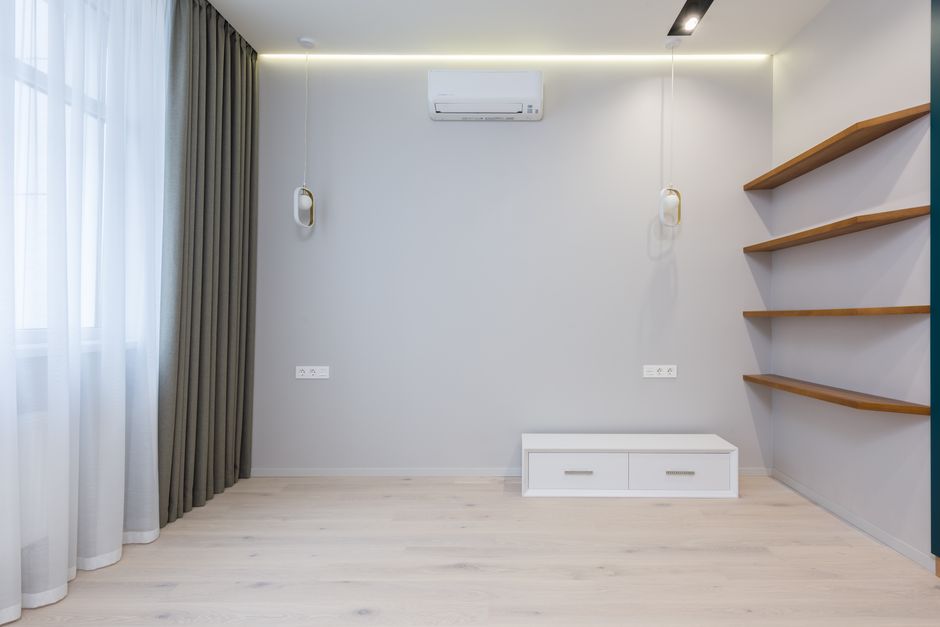
A correctly sized, carefully installed mini split is more likely to deliver its rated performance. Keep the indoor head clear of shelving and airflow obstructions. Route and insulate the line set as instructed, ensure condensate drains reliably, and place the outdoor unit where it has adequate airflow and can be serviced. Follow clearances around a condenser pad or wall brackets, including requirements for snow and defrost water.
Air sealing and insulation can be as valuable as choosing a higher efficiency rating. Weatherstrip the overhead door, seal obvious gaps, and insulate the ceiling where practical. If the garage is attached, consider fire separation and local building requirements before adding materials or making penetrations.
Bottom Line: Do Mini Splits Save 30% to 50%?
Sometimes—but the percentage is not universal. A mini split can beat an old window unit, inefficient central equipment, or electric resistance heat by a wide margin. Against a newer, efficient heat pump, a 30% to 50% advantage is far from certain. For garages, the best results come from matching capacity to the actual load, checking cold-weather performance, choosing the correct electrical supply, and reducing drafts before expecting a particular payback.
Use the heat pump efficiency claim as a reason to investigate, not as a promise. Compare SEER2 and HSPF2, inspect the model’s detailed performance data, confirm breaker and circuit requirements, and estimate costs using your own usage and utility rate. That approach makes a garage HVAC comparison much more useful than relying on a headline percentage.